Revolutionary saddle technology combined with over 30 years of industry experience and the global authority in saddle fitting brings to the racing world the DESTINY LIGHT exercise saddle. Through tireless research and field testing, the Destiny Light is the only saddle that provides unparalleled support, freedom and protection for the elite equine athlete.
In a world of gimmicks and quick fixes, the Destiny Light stands out above all as the ONLY way to truly unlock the potential of your horse. Unencumbered by faulty design, inadequate build and sub-par structure, horses that are trained in the Destiny Light are capable of running at greater speeds without the physical exertion and damage as when they are ridden in a standard saddle.
Lower heart beats per minute, higher stride count, longer strides, physical soundness, less prone to injury and catastrophic accidents. THIS is the future of racing, this is your Destiny.
Before its debut in South Africa, the Destiny Light exercise saddle underwent rigorous testing across Canada and the United States, with every component scrutinized to ensure the utmost quality and protection for the horse. The cumulative effort has produced the Destiny Light as presented today in its present form, unlike any other – a saddle built for the horse.
The Destiny Light exercise saddle was first tested in South Africa at Turffontein Racecourse in Johannesburg on 13 November 2019.
Canadian-based Jochen Schleese made the trip together with Global Education Coordinator for Saddlefit 4 Life, Sonja Gagnon.
The presentation and tests were conducted under the watchful eyes of a handful of key players and experts within the South African racehorse industry.
The day started off at the yard of Turffontein-based racehorse trainer – David Nieuwenhuizen, who can always be counted on to seek out and test innovative advances. It is this approach to life and racing which has made him a regular visitor to the winner’s box for listed and graded races despite training a relatively small string of horses. He kindly made two horses available for testing, (horse 1 and horse 2).
Before making their way to the track, Jochen meticulously measured both horses effecting the necessary adjustments to the prototype Destiny Light exercise saddle (for the test gallop). Once at the track, each horse was fitted with sensitive measuring equipment to capture heart-rate, stride length, speed and pressure meter readings. Each horse was then galloped once with their normal exercise saddle and once with the Destiny Light and the data captured for analysis.
Jochen briefly highlighted the main features of the Destiny Light exercise saddle, which is built on the infinitely adjustable three-quarter Lightweight-Split AdapTree®. It features the revolutionary new PSI-Panel System, which implements existing design techniques to spread the rider’s weight over a large area effectively whilst maintaining the “close feel“ riders crave. A wide gullet channel ensures clearance of the spinous processes, whilst backward-facing tree points leave the horse’s shoulder completely free.
During the presentation, Jochen explained:
“Often horses are bred to participate in a certain sport, such as racing or jumping or to perform some activity as predetermined by their humans. This puts them on specific paths. They are subjected to varied training regimes, riding styles and philosophies. Yet, the horse’s anatomy remains unchanged. Their reflex points remain the same. Thoroughbred racehorses did not suddenly develop resilience to having the saddle pinch their wither cap, block their shoulders or crush their spine, any more than the Western horse resolved to gallantly and injury-free, endure pressure on their lumbar vertebrae from a saddle that is too long.”
He expanded: “Saddles of years gone past recognized the importance of making full use of the horse’s saddle support area to effectively spread the rider’s weight evenly and over as large an area as possible whilst staying off or minimizing pressure on the horse’s shoulders and loins. Horses were used for function, and their continued soundness and health were of crucial importance. But sport and fashion eventually dictated that saddle trees are manufactured ever narrower and ever smaller.”
For example, some half-trees of popular current design race exercise saddles easily fit within the palm of one’s hand. This elevates pressure per square inch to well above accepted industry standards. Not only is this painful for the horse, but it also compromises oxygen flow to the tissue. This is all to achieve a ‘close feel’ to the horse.
TESTING EQUIPMENT
MediLogic Computerized Pressure Pad
The MediLogic computerized pressure pad is a key component of the testing process, allowing the team to watch a live feed of the pressure distribution beneath the saddle, combined with a video recording to analyze, frame-by-frame, the effects of localized pressure on the performance of the horse.
With proprietary software created in conjunction with MediLogic, we’re able to determine exact areas of concern thanks to digital mapping of the horses back.
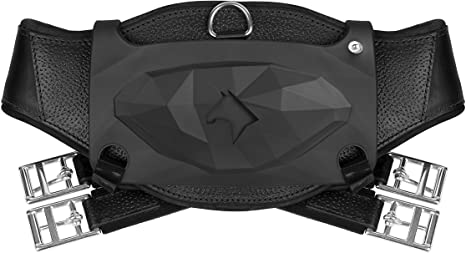
Seaver Girth Sleeve
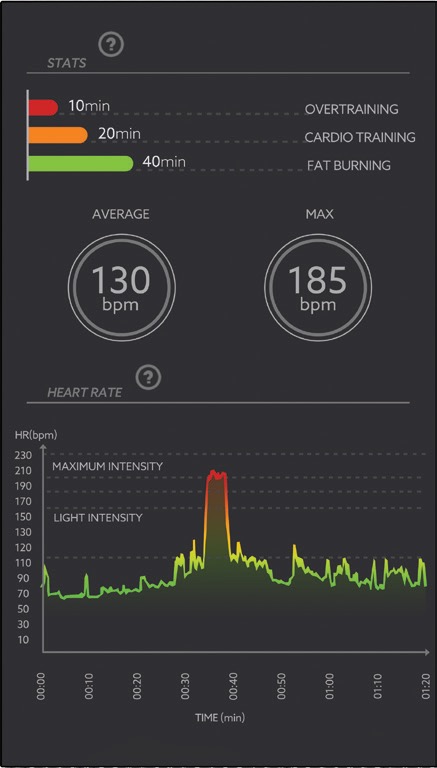
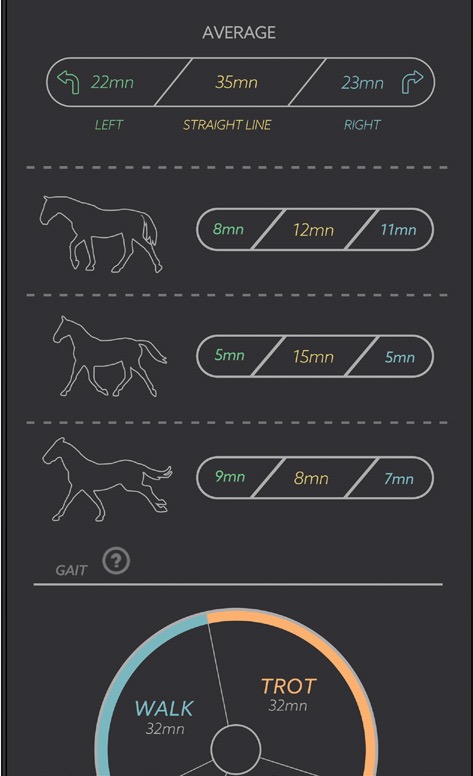
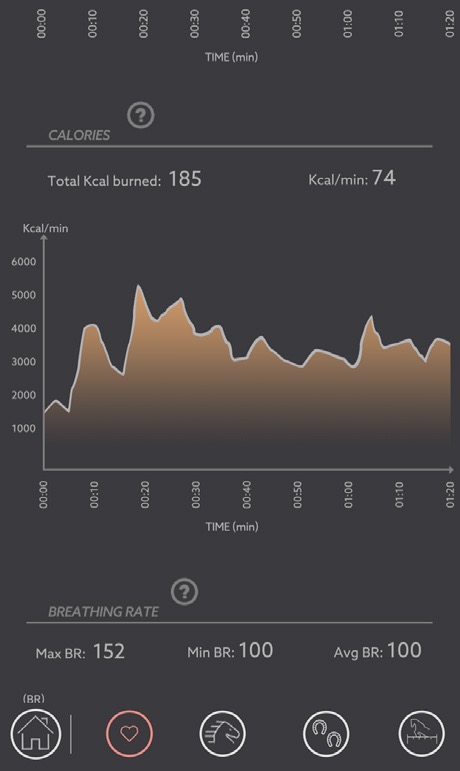
The Seaver Girth Sleeve is equipped with heart monitors, sensors and GPS to allow testers to track numerous variables during the test gallops. These are used in conjunction with the pressure mapping to determine overall performance, health, symmetry, cadence, stride length, strides per minute, and much more.
TEST PROTOCOLS & RESULTS
The Destiny Light exercise saddle was individually adjusted to each racehorse and tested by the MediLogic Sensor Pad prior to each run. Every horse performed an identical test gallop where pressure, shear, heart rate, stride length, strides per minute and much more were recorded to assess the overall exertion and performance of each horse under their own and the Destiny Light Saddle.
Stride length increased in all gaits while maximum heart rate remained lower under the Destiny Light.
Both test subjects exhibited greater freedom of movement in the Destiny Light, showing a higher stride rate per minute but lower impact on landing. Each rider was able to remain centered and balanced without hanging onto the horse or falling to one side, as seen in the traditional exercise saddles.